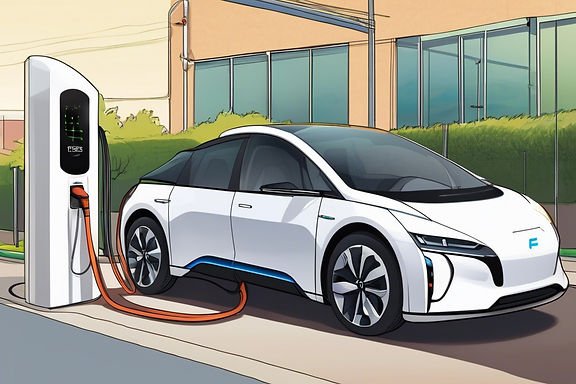
As electric vehicles become more commonplace and charging stations continue to spring up around the United States, there is growing concern about the strain that this will cause on the grid. This problem needs to be approached first by the demand side; as more electric vehicles enter the market, the pressure on the grid will continue to increase. Improving existing transmission infrastructure and reducing delays in connecting new charging hubs will prove important.
However, simultaneously tackling the problem of EV strain on the grid through the supply side, with solutions such as ridesharing, location optimization, and bi-directional energy flow in batteries, can prevent bottlenecks. Similarly, software products such as dynamic load management could reduce unnecessary strain while saving EV owners on charging costs. Rather than pressure the grid and utility to provide the maximum power that may be required if all charging stations are being used at full capacity, software within the charger is capable of balancing loads, charge rates, and output.
Support authors and subscribe to content
This is premium stuff. Subscribe to read the entire article.