Colombia, which generates nearly 70% of its electricity from renewable sources, has made significant strides in decarbonization over the past few years. However, the country’s electricity matrix remains heavily dependent on hydropower. While this has proven critical for economic development thus far, there are several drawbacks to relying heavily on hydropower. These include the difficulty of building a transmission infrastructure from such a centralized source and the impacts of climate change, which have led to droughts in the country.
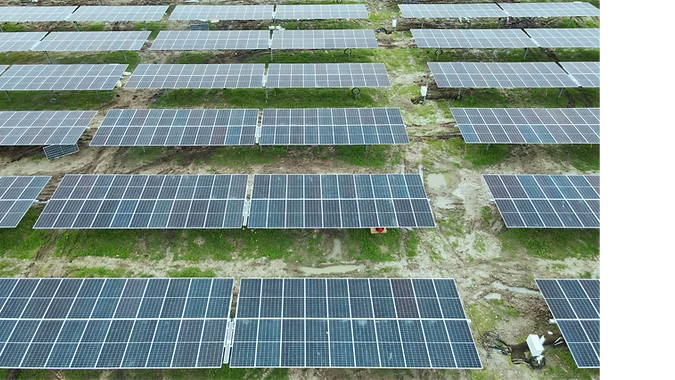
By harnessing the country’s vast solar potential, Colombia can provide power to rural communities, reduce its reliance on a single form of electricity generation, and lower carbon emissions nationwide. In a country with strong radiation, significant demand, and wide tracts of available land, it is no surprise that PV could jump to almost a quarter of the total electricity matrix by 2037. Despite these positive factors, solar energy still represents a small fraction of Colombia’s energy matrix.
Support authors and subscribe to content
This is premium stuff. Subscribe to read the entire article.