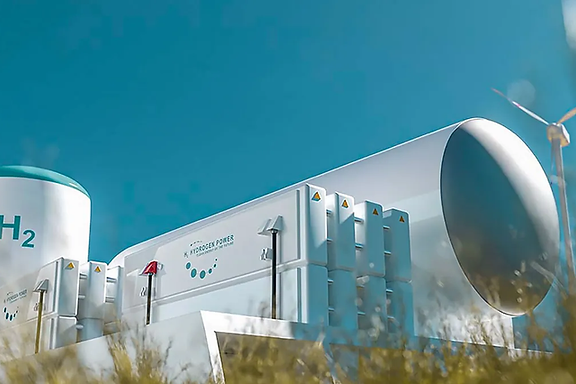
With the continued adoption of electric vehicles and the falling cost of traditional forms of clean energy, many aspects of the transition to a cleaner economy are well underway. However, industries considered hard to decarbonize, such as mining, steel, cement, and aviation, still face significant challenges. For many of these industries, green hydrogen will be a key replacement for traditional power sources such as coal, oil, or natural gas. Unfortunately, the cost of green hydrogen is currently significantly higher than that of other forms of hydrogen. If green hydrogen is able to scale production and reduce cost, it will be one of the main drivers of decarbonization. If not, industries will be faced with difficult decisions between costs and carbon emissions.
The current cost of green hydrogen ranges between $4.5 and $12 per kilogram, representing a significant “green premium” over other forms of hydrogen. Grey hydrogen, the result of producing hydrogen with natural gas, is between $.98 and $2.93 per kg. Even blue hydrogen, which uses fossil fuels but includes carbon capture, ranges from $1.8 and $4.7 per kilogram. That level of green premium, almost a 400% cost increase between grey and green, makes adopting green hydrogen exceedingly expensive and difficult without government involvement, such as subsidies or carbon tax.
Support authors and subscribe to content
This is premium stuff. Subscribe to read the entire article.